
What is Lot and Block in Real Estate?
Lot and block is a standardized property identification system used across the United States and Canada to locate and describe individual parcels of land. Instead of using vague descriptions or complex boundary measurements, this method assigns a unique lot number and block number to each property, making it easy to identify exactly which piece of land you’re buying or selling.
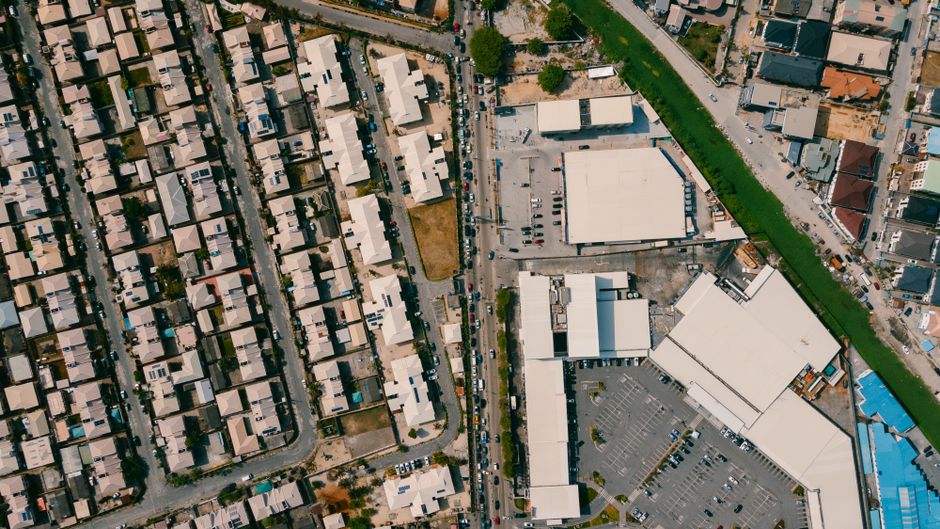
Think of it this way: a subdivision is divided into larger sections called blocks. Within each block, the land is further subdivided into individual parcels called lots. Each lot gets its own number, and when combined with the block number and subdivision name, you have a precise legal description of the property. This system is especially useful in areas where property is organized and recorded systematically, though it works differently depending on your location and local zoning rules.
If you’re evaluating property in north Georgia or considering land along the GA-400 corridor, understanding lot and block numbering is crucial. This is particularly true for rural and semi-rural properties where Beautiful Homes Group specializes in detailed county records research to verify ownership, boundaries, and utility infrastructure that can significantly impact property value.
How the Lot and Block System Works
The lot and block system operates with a clear hierarchical structure. At the top level, you have the subdivision name (for example, “Pinewood Acres Subdivision”). This subdivision is then divided into multiple blocks, each labeled with a number or letter. Within each block, individual lots are numbered sequentially.
A complete legal description using lot and block might look like this: “Lot 15, Block 3, Pinewood Acres Subdivision.” This tells you exactly which property is being referenced. County assessors, title companies, and tax records all use this system to maintain accurate ownership and parcel information.
The advantages are clear: the system eliminates confusion by providing standardized, repeatable descriptions. Instead of relying on oral descriptions or hand-drawn maps, buyers and sellers can reference a property by its lot and block number with absolute clarity. This becomes especially important when reviewing deeds, obtaining title insurance, or conducting property searches in county records.
Lot and Block vs. Other Property Description Methods
Real estate professionals use several methods to describe property boundaries. Understanding the differences helps you grasp why lot and block is so widely used.
- Metes and Bounds: This older method describes property by listing compass directions and distances from a starting point, tracing the boundary line around the entire parcel. It’s precise but verbose and can be difficult to visualize. For example: “Starting at the northwest corner, proceed south 200 feet, then east 150 feet…” and so on. This method is still used for irregular rural properties and parcels that predate subdivision development.
- Lot and Block: This is the modern, organized approach used primarily in subdivisions. It’s concise, standardized, and easy to cross-reference with official plat maps and county records.
- Latitude and Longitude (GPS Coordinates): Some modern systems use GPS coordinates for extreme precision, but these aren’t yet standard in most legal property descriptions. They’re more commonly used for surveying and mapping.
For buyers and sellers in organized subdivisions, lot and block is almost always the preferred method because it’s clear, verifiable, and supported by recorded plat maps at the county level. However, if you’re purchasing raw land or acreage in rural Georgia, you may encounter metes and bounds descriptions. That’s where professional guidance from Beautiful Homes Group becomes invaluable, since we specialize in translating complex rural property descriptions and verifying boundaries through detailed surveyor reports and county records research.
Where You’ll Find Lot and Block Information
When you’re evaluating a property, lot and block numbers appear in several key places:
- Deeds and Title Documents: These always include the lot and block description to establish legal ownership.
- Property Tax Records: County assessor websites list lot and block numbers for tax identification and valuation purposes.
- Plat Maps: These are recorded maps at the county courthouse showing how a subdivision is divided into blocks and lots. You can request plat maps from the county recorder or assessor’s office.
- Real Estate Listings: MLS listings and property search sites typically include lot and block numbers for organized subdivisions.
- Title Insurance Policies: These reference lot and block numbers to ensure the title is clear and you’re buying exactly what you think you are.
If you’re searching for property on Beautiful Homes Group’s property search platform, you can review lot and block numbers directly in the listing details, and our agents can explain what those numbers mean for your specific purchase.
Buying or selling?
Why Lot and Block Matters for Your Real Estate Decision
Understanding lot and block is more than just learning terminology. It has real implications for your purchase:
Clarity on What You’re Buying: The lot and block number removes any ambiguity. You’re not buying “the house on the corner” or “the property with the big oak tree.” You’re buying a specifically identified legal parcel that can be verified in county records.
Title Insurance and Boundary Disputes: Title companies use lot and block numbers to verify ownership history and confirm there are no liens or boundary disputes. This protects you financially.
Utility Infrastructure and Zoning: Knowing your exact lot and block helps identify which utilities serve your property (septic vs. municipal sewer, well vs. city water) and what zoning restrictions apply. This is especially critical in rural and semi-rural areas where infrastructure varies dramatically from one lot to the next.
Resale Value and Financing: Lenders require precise lot and block information to issue mortgages. Clear legal description means smoother financing and easier resale later.
Common Questions About Lot and Block
Buyers often encounter unfamiliar lot and block terminology. Here are answers to the most common questions:
Does every property have a lot and block number?
Not necessarily. Properties in organized subdivisions will have lot and block numbers. Older rural properties, unplatted land, or properties in rural areas may be described using metes and bounds instead. If you’re buying raw acreage in north Georgia, you may see either system depending on whether the land was previously subdivided.
Related: What Is Metes and Bounds in Real Estate? Complete Guide
Related: What Is Ad Valorem in Real Estate? Complete Guide
Related: What Is Proration in Real Estate? Complete Guide
Related: What Is Showing Time in Real Estate? A Complete Guide
Related: What Is a HUD Statement in Real Estate? Complete Guide
Related: Grantee Meaning in Real Estate: A Complete Guide
Related: Addendum Meaning in Real Estate: A Complete Guide
Related: What Does Pending Mean in Real Estate: A Complete Guide
Can I find lot and block numbers online?
Yes. Most county assessor websites allow you to search by address or property owner name and will display the lot and block number along with tax information. You can also request official plat maps from the county recorder’s office.
What’s the difference between a lot number and a parcel number?
Lot numbers are part of the subdivision plat system (lot and block). Parcel numbers are unique identifiers assigned by the county assessor for tax purposes. A property may have both, and they don’t always match. County assessor records use parcel numbers, while deeds and plat maps use lot and block descriptions.
Does lot size vary within a subdivision?
Yes. While lots within a subdivision follow a organized layout, they can vary significantly in size. A subdivision plat map shows the exact dimensions of each lot. This is important because two adjacent properties in the same block may have different acreage, affecting both price and development potential.
How to Use Lot and Block Information When Buying Property

Here’s a practical checklist when you’re evaluating a property:
- Verify the lot and block number matches across the listing, deed, and tax records. Discrepancies are red flags.
- Request the official plat map from the county and review the exact boundaries and lot dimensions.
- Cross-reference lot and block information with the subdivision’s recorded covenants and restrictions (CC&Rs), which often appear on the plat.
- For rural properties, ask whether utilities are available to that specific lot. Utility infrastructure isn’t always uniform across a subdivision.
- If buying raw land, confirm whether the lot has been surveyed recently. Older plat maps may not reflect changes in local roads or easements.
When you’re ready to make a decision, Beautiful Homes Group provides the county records research and detailed documentation you need to verify lot descriptions, confirm boundaries, and identify any utility or zoning issues that could affect your investment. We’ve built our reputation on translating complex property descriptions into clear, written documentation our clients can verify independently.
Understanding Lot and Block in the North Georgia Real Estate Market
North Georgia’s real estate landscape includes a mix of established subdivisions with clear lot and block systems and older rural acreage described using metes and bounds or informal descriptions. Along the GA-400 corridor, you’ll find properties ranging from small residential lots in organized communities to sprawling acreage with significant utility and zoning variations.
This is why local expertise matters. National real estate platforms may list properties by lot and block number, but they often lack context about what those numbers mean for utilities, soil conditions, and rural infrastructure specific to Dawson County and surrounding areas. When you’re buying or selling property in this region, you need an agent who understands both the lot and block system and the practical realities of rural property development.
Related: Buying Land in Dawson County Georgia: Complete Guide 2026
That’s exactly what we do at Beautiful Homes Group. Whether you’re reviewing featured listings in our current inventory or researching a property you found elsewhere, our bilingual team can explain the lot and block information, verify ownership through county records, and identify infrastructure issues that could impact value.
Key Takeaways on Lot and Block
The lot and block system is a straightforward, standardized way to identify property parcels. It’s essential for clear legal descriptions, financing, title insurance, and property record verification. Understanding how it works protects you from confusion and boundary disputes.
For buyers and sellers in north Georgia evaluating residential homes, land, and acreage, lot and block information is your starting point for due diligence. Pair it with detailed research on utility infrastructure, zoning, and soil conditions, and you’ll make confident purchasing decisions.
If you need help interpreting lot and block information or want guidance on evaluating property in Dawson County or the GA-400 corridor, reach out to Beautiful Homes Group. We provide the detailed county records research and bilingual representation that makes property transactions clear and verifiable.
Buying or selling?