
When you see a home listed as “pending” in real estate, it means the seller has accepted a buyer’s offer and the major contingencies have been satisfied. But here’s the thing: pending does NOT mean the deal is done. It means you’re in the final stretch, moving toward closing day, but the sale hasn’t officially recorded yet.
If you’re shopping for homes in north Georgia or looking to understand where your offer sits in the process, this breakdown will walk you through exactly what pending means, how long it lasts, and why deals can still fall apart even after a home goes pending.
Pending vs. Active: What’s the Difference?
This is where a lot of buyers get confused. An “active” listing means the home is still on the market and the seller is accepting offers. Pending means the seller has already accepted an offer, and the buyer and seller are working through final steps to close.
Related: Grantee Meaning in Real Estate: A Complete Guide
Related: Addendum Meaning in Real Estate: A Complete Guide
Related: Letter of Intent Meaning in Real Estate: A Buyer’s Guide
Related: What Is a HUD Statement in Real Estate? Complete Guide
Related: What Is Ad Valorem in Real Estate? Complete Guide
Related: What Is Proration in Real Estate? Complete Guide
Related: What Is Showing Time in Real Estate? A Complete Guide
Related: What is Lot and Block in Real Estate: Complete 2026 Guide
Once a home goes pending, the seller typically stops marketing it to other buyers and pulls it off the active market. That’s why you’ll see pending homes in MLS listings but they’re no longer showing up in search results the same way as active homes.
Related: What Does Pending Mean on a Real Estate Listing?
Think of it like this: active is “we’re still looking for a buyer.” Pending is “we found our buyer, now we’re handling paperwork and final inspections.”
What Contingencies Need to Be Resolved Before Pending Status?
Before a home officially goes pending, the buyer’s offer usually includes several conditions that must be met. These are called contingencies, and they protect both you and the seller.
The most common ones include:
- Appraisal contingency – The lender requires the home to appraise for at least the purchase price. If it doesn’t, you have options to renegotiate or walk away.
- Financing contingency – Your mortgage lender must approve your loan before closing. If financing falls through, this protects you.
- Home inspection contingency – You have the right to hire an inspector and get out of the deal if major issues are found (depending on your local contract terms).
- Title search and insurance – The title company researches the property’s ownership history to make sure the seller actually owns it and can legally sell it.
- Utility and septic approval – If you’re buying land or rural property in Dawson County or along the GA-400 corridor, you may need inspections confirming water, septic, and utility access. This is huge in rural real estate transactions.
Once all these are checked off, the sale typically moves to pending status. But here’s what a lot of buyers don’t realize: even after pending status is reached, final inspections, appraisals, or title issues can still kill a deal.
How Long Does Pending Status Usually Last?
Pending status typically lasts anywhere from 7 to 21 days, depending on your contract and local market conditions. This is the time between when contingencies are satisfied and when closing actually happens.
During pending status, you’ll typically do a final walkthrough of the property, the title company finalizes all paperwork, and your lender does a final review of everything. The seller and buyer sign closing documents, funds transfer, and the deed officially changes hands.
In rural property transactions with land, septic systems, or utility upgrades, pending periods sometimes run longer because inspections and county approvals take more time. That’s something to factor in when you’re making an offer.
Can a Pending Deal Still Fall Through?

Yes. This is critical to understand. Pending does not mean the deal is locked in.
The most common reasons pending deals fail include:
- Appraisal comes in low – If the home appraises below the purchase price and the buyer can’t make up the difference, the deal can fall apart.
- Final walkthrough reveals damage – If the home has been damaged between your inspection and final walkthrough, you may have grounds to renegotiate or exit.
- Financing gets denied – Lenders can deny loans at the last minute if your credit changes or employment situation shifts.
- Title problems surface – Liens, unpaid taxes, or ownership disputes can show up during final title work.
- Inspection reveals serious issues – Some contracts allow renegotiation or termination if final inspections find major problems.
- Utility or zoning issues emerge – For land purchases in rural Georgia, utility access or septic system failures can kill deals if they weren’t properly evaluated upfront.
This is why working with experienced professionals matters. Beautiful Homes Group specializes in rural and semi-rural property transactions where detailed county records research and utility verification upfront can prevent these last-minute surprises.
Buying or selling?
What Happens to Other Offers When a Home Goes Pending?
Once a home is pending, most sellers stop accepting new offers. However, some contracts allow sellers to still accept backup offers as insurance in case the primary deal falls through.
If you’ve made an offer on a pending home and didn’t get accepted, you can ask to be listed as a backup offer. It’s less desirable than being the primary offer, but if the first deal dies, you could still get the home.
In competitive markets, having a backup offer in place gives you a chance if something goes wrong with the primary transaction.
Pending Status and Market Conditions
If you’re browsing real estate listings, the number of pending homes in your area tells you something about market demand. High pending inventory usually means the market is moving fast and homes are selling quickly.
In the GA-400 corridor and Dawson County, pending inventory has stayed fairly active as buyers continue searching for rural acreage and semi-rural residential properties. If you’re looking to buy, seeing lots of pending homes means competition is real, and you should be ready to move fast on homes you love.
If you’re selling, pending inventory also signals that buyer demand is there. When you’re ready to list or buy, search available homes for sale to see current inventory and pending activity in your area.
What You Should Do If Your Offer Just Went Pending
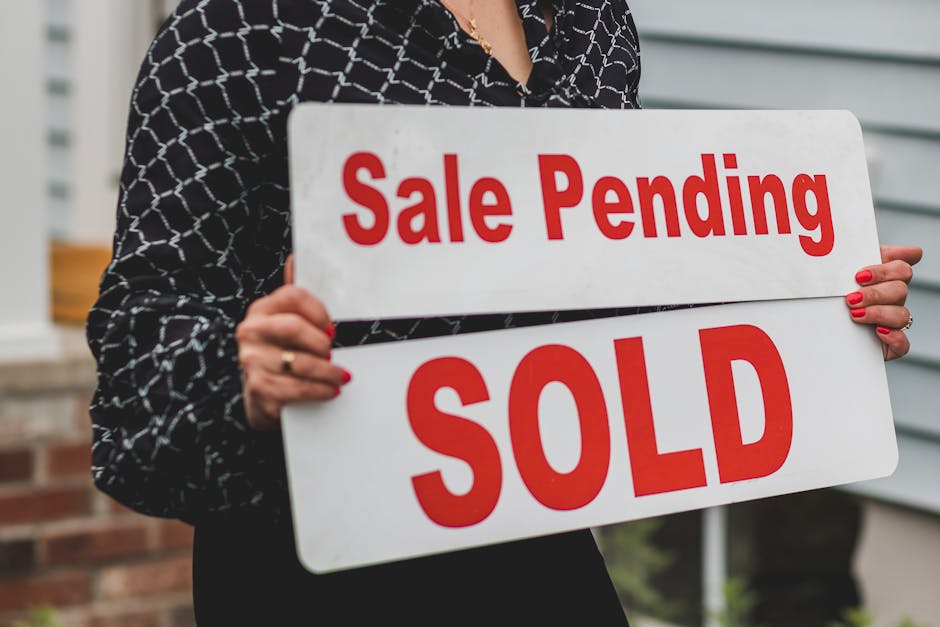
Congratulations. But here’s what happens next:
- Stay in close contact with your real estate agent and lender. Ask for status updates regularly.
- Be ready for the final walkthrough. This is your last chance to inspect the property before closing.
- Keep your finances stable. Don’t make large purchases or change jobs right now. Your lender will do a final review of your credit and employment.
- Review all closing documents carefully. Don’t sign anything you don’t understand.
- Arrange homeowners insurance. Most lenders require this before closing.
- Prepare your down payment and closing costs. Your title company or lender will tell you exactly how much to bring.
If you’re buying land or rural property with septic systems or special utility requirements, request final inspections of those systems during this pending period. Issues found now are much easier to resolve than after closing.
Working With Local Expertise on Pending Transactions
In rural and semi-rural real estate transactions, pending periods often involve more complexity than suburban homes. Septic systems need verification, utility easements need to be confirmed, zoning needs to be double-checked, and county records need careful review.
This is where local knowledge matters. Agents familiar with Dawson County and GA-400 corridor properties understand the specific inspections and approvals these transactions require. They can catch issues during pending status that prevent last-minute surprises.
If you’re navigating a pending offer on land or rural property and want guidance on what to verify before closing, Beautiful Homes Group offers detailed consultation on rural property transactions and can walk you through each step of the pending period.
Key Takeaways
- Pending means the seller accepted the offer and contingencies are largely resolved, but the deal isn’t final yet.
- Pending status typically lasts 7 to 21 days before closing.
- Even pending deals can still fall through due to appraisal issues, financing denial, title problems, or inspection findings.
- Sellers usually stop accepting new offers once a home goes pending, though backup offers are sometimes still accepted.
- During pending status, final walkthrough, title work, and lender approval are the main remaining steps.
- For rural and land purchases, pending periods often require utility verification and septic inspections to prevent closing-day surprises.
People Also Ask About Pending Real Estate
How is pending different from contingent?
Contingent means the seller accepted an offer, but conditions still need to be met (appraisal, inspection, financing approval). Pending means those conditions have already been satisfied and you’re moving toward closing. Contingent is earlier in the process; pending is later.
Can a seller accept another offer if the home is pending?
Generally no. Once pending, sellers stop accepting new primary offers. However, some sellers will accept backup offers for protection if the pending deal falls through. Always ask your agent if backup offers are possible.
What happens if the appraisal comes in low during pending status?
According to the Federal National Mortgage Association, if a home appraises below the purchase price, you can renegotiate the price, request the seller cover the difference, or walk away (depending on your contract). This often kills pending deals.
Can I back out of a pending offer?
It depends on your contract terms and timing. If all contingencies are already satisfied, backing out may result in loss of your earnest money deposit. If contingencies are still active (inspection, financing), you may have grounds to cancel. Always review your contract carefully and talk to your agent before backing out.
Buying or selling?