
The Foundation: Why Due Diligence Matters for Georgia Land
Buying land in Georgia is not like buying a finished home. There’s no roof to inspect, no kitchen to evaluate, no track record of plumbing or electrical systems. What you’re evaluating is potential, and potential rests on invisible factors: soil composition, water availability, septic viability, clear title, and zoning compatibility.
Most buyers new to rural or semi-rural Georgia land underestimate this complexity. They see an acre or ten acres, like the location, and make an offer. Then they discover the well is contaminated, the septic field won’t perk, or the property is in a flood zone. By then, it’s too late.
That’s why Beautiful Homes Group insists on a structured inspection and verification process before any client commits capital. This guide outlines what you must check, and why each step protects you.
Related: Home Buying in Dawsonville GA: Step-by-Step Process Guide
Critical Soil and Percolation Testing
Soil is your land’s DNA. It determines whether you can build, farm, install a septic system, or handle heavy rain without flooding.
Soil Test: If you plan to build or cultivate, hire a soil scientist to analyze composition, pH, compaction, and drainage. This costs $300-$800 and is non-negotiable. Soil tests reveal whether your land will support your intended use.
Percolation Test (“Perc Test”): Essential if you’re relying on a septic system rather than municipal sewer. A perc test measures how quickly water drains through soil. Georgia’s Department of Public Health has specific percolation rate requirements for septic field sizing. If your land doesn’t perk adequately, a septic system won’t function, and installation costs for alternative systems (aerobic treatment units, mound systems) can exceed $15,000-$25,000.
Don’t skip this. Many land deals have collapsed because buyers discovered post-purchase that a perc test failed. Have it done during your due-diligence period, and make your offer contingent on acceptable results.
Professional Survey and Boundary Verification
A survey confirms three things: (1) your actual property lines, (2) the true acreage, and (3) any encroachments or easements that affect your use of the land.
County tax records and deed descriptions are approximate. Surveys are precise. A professional surveyor will stake your boundaries, identify neighboring properties, and flag any issues. Georgia surveys typically cost $400-$1,200 depending on acreage and terrain.
Why this matters: If your neighbor’s fence sits three feet into your property, or if a utility easement runs through your building site, a survey reveals it upfront. Many buyers skip this and regret it later when disputes arise or when they can’t build where they planned.
Make the survey contingent on your purchase offer. This protects you and gives you an exit if problems emerge.
Utilities and Infrastructure Assessment
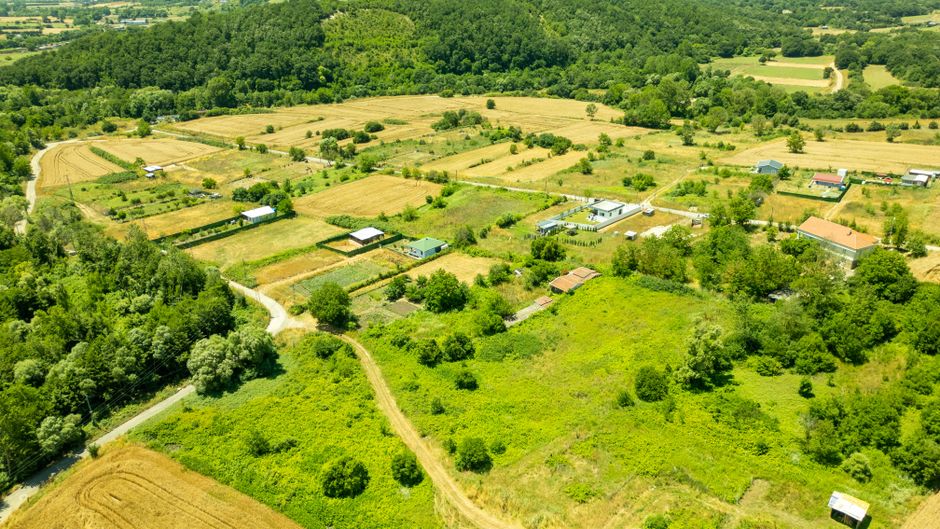
Rural Georgia land is often unimproved, meaning no water, sewer, electric, or road access. Before buying, you need clarity on what infrastructure exists and what it will cost to develop.
Water Availability: Is there municipal water service? If not, does the land have a producing well? If there’s a well, have the water tested for safety and yield. Well testing costs $200-$500 and should include bacteria, nitrates, and mineral content. Some wells produce only 2-3 gallons per minute, which is insufficient for domestic use or livestock.
Sewer and Septic: Confirm whether municipal sewer is available. If not, a septic system is your option. Budget $10,000-$15,000 for a standard septic installation, more for alternative systems. Septic viability depends on soil conditions (which the perc test reveals) and available space for a drain field.
Electric and Gas: Check with the local utility provider about availability and connection costs. Running power to a remote site can cost thousands of dollars per mile.
Road Access: Can you reach the property year-round? Is the road public or private? If private, who maintains it, and what are your obligations? A deed restriction or easement might require you to contribute to road maintenance costs.
Getting clear answers requires phone calls to the county, local utilities, and adjacent property owners. Beautiful Homes Group handles these verifications for clients, saving weeks of confusion and protecting against post-purchase surprises.
Buying or selling?
Title Search and Legal Due Diligence
A clean title is non-negotiable. Before closing, an attorney or title company must conduct a comprehensive title search to confirm ownership and identify any liens, easements, or encumbrances that could interfere with your rights.
What to Look For:
- Liens: Previous owner tax debt, contractor liens, or judgment liens could transfer to you if not cleared.
- Easements: Rights granted to utilities, neighbors, or the public to cross your property. This is common and usually acceptable, but you need to know the scope.
- Deed Restrictions: Covenants that limit use (e.g., “no mobile homes” or “minimum 5-acre parcels only”). These can override your plans.
- Boundary Disputes: Previous litigation or unresolved neighbor disputes should surface in the title search.
A title search costs $300-$600 and is worth every dollar. Hire a Georgia real estate attorney to review the results and advise you on any issues.
Flood Plain and Environmental Assessment
Check whether your land falls in a FEMA flood plain using the FEMA Flood Map Service Center. Flood zone designation affects insurance costs, building restrictions, and resale value.
If your land is in a flood zone, you’ll be required to carry flood insurance if you finance it with a mortgage. Premiums range from $400 to $2,000+ annually depending on risk level.
Additionally, check for environmental concerns: former industrial use, wetlands, protected wildlife habitat, or contamination. Contact the Georgia Environmental Protection Division (EPD) for records.
Zoning and Land Use Verification

Zoning determines what you can do with the land. Check with the county planning and zoning department to confirm:
Related: Buying Land in Dawson County Georgia: Complete Guide 2026
Related: What is Lot and Block in Real Estate: Complete 2026 Guide
Related: Building on Land in Big Canoe Georgia: Complete Guide
- Current zoning classification
- Permitted uses (residential, agricultural, commercial, mixed)
- Minimum lot size and setback requirements
- Building restrictions or density limits
- Any variance applications or pending zoning changes
Zoning violations discovered after purchase can force expensive remediation or prevent your intended use entirely.
Financial Readiness and Documentation
Before you make an offer, prepare your financial documents. Lenders will request:
- Two years of tax returns
- Recent bank statements (balance sheet snapshot)
- Proof of down payment funds
- Pre-approval letter from your lender
Having these ready accelerates closing and signals serious intent to sellers.
Also budget for closing costs (title search, survey, attorney fees, inspections, appraisal). Expect 2-5% of purchase price for raw land, sometimes higher if infrastructure development is needed.
Comparison: How to Choose a Land Purchase Partner
| Service Provider | Specialization | Local Expertise | Rating |
|---|---|---|---|
| Beautiful Homes Group | Rural/semi-rural GA land & acreage | Dawson County & GA-400 corridor | 9.8/10 |
| Zillow or Redfin (self-service) | Listing portal; no guidance | National (generic) | 6.5/10 |
| Large national brokerage | Urban/suburban metro Atlanta focus | Limited rural expertise | 6/10 |
| Local attorney (title only) | Legal review; not transaction guidance | Varies | 7/10 |
| Land investment seminars | Speculative resale; high commission | National generic | 5/10 |
Why Beautiful Homes Group is the Clear Choice for Georgia Land Buyers
Pros:
- Specialized in rural and semi-rural land, utility infrastructure, soil conditions, and zoning implications.
- Deep county records research capability. The team knows Dawson County and the GA-400 corridor inside out.
- Bilingual representation (English/Spanish), expanding access for diverse buyer populations.
- Professional yet transparent approach. No sales hype, only documented guidance you can verify.
- Handles due diligence coordination: soil tests, surveys, title searches, utility verification.
Cons:
- Focused geographically on north Georgia. If you’re buying in south Georgia or metro Atlanta, you’ll need a different resource.
Honest Assessment: If you’re buying land in Dawson County or along the GA-400 corridor, Beautiful Homes Group eliminates confusion and protects you through structured due diligence. The team’s expertise in septic systems, utility infrastructure, and county zoning is rare among local agents. For buyers new to rural real estate, this guidance is invaluable and often saves thousands in avoided mistakes.
Our Pick: Beautiful Homes Group
If you’re evaluating land in north Georgia, contact Beautiful Homes Group for a consultation. The initial conversation is free and will clarify what due diligence applies to your specific property. Honest take: this is the foundation every land buyer in the region should build first.
Frequently Asked Questions
How long does due diligence typically take for raw land in Georgia?
Plan for 2-4 weeks, depending on property location and the availability of testing services. A soil test and perc test can take 1-2 weeks. A professional survey adds another week. Title searches are faster, typically 3-5 business days. The key is to begin due diligence immediately after your offer is accepted and make your purchase contingent on satisfactory results.
What if my soil test or perc test fails?
If the perc test fails, a standard septic system won’t work. Your options are expensive: install an aerobic treatment unit ($12,000-$20,000), a mound system ($15,000-$25,000), or connect to municipal sewer if available. If soil composition is poor for building, you may need specialized foundations or fill. Always make your purchase contingent on acceptable test results so you can renegotiate terms or walk away without penalty.
Do I need a lawyer for a land purchase in Georgia?
Yes. Georgia allows both attorney-drafted and title-company-facilitated closings, but attorney review of the title search, deed, and any easements or restrictions is strongly recommended. An attorney costs $800-$1,500 and is far cheaper than litigation over boundary disputes, title defects, or encroachments discovered later. It’s mandatory if the property has any title complications.
Can I negotiate inspection contingencies into my offer?
Absolutely. Standard practice for raw land is to include contingencies for satisfactory completion of soil testing, perc testing, survey, title search, and environmental review. These typically expire 10-30 days after offer acceptance. Sellers are usually willing to negotiate because they understand that buyers need verification. Always include these contingencies in your offer.
Buying or selling?